Papariko Peninsula
Project Context
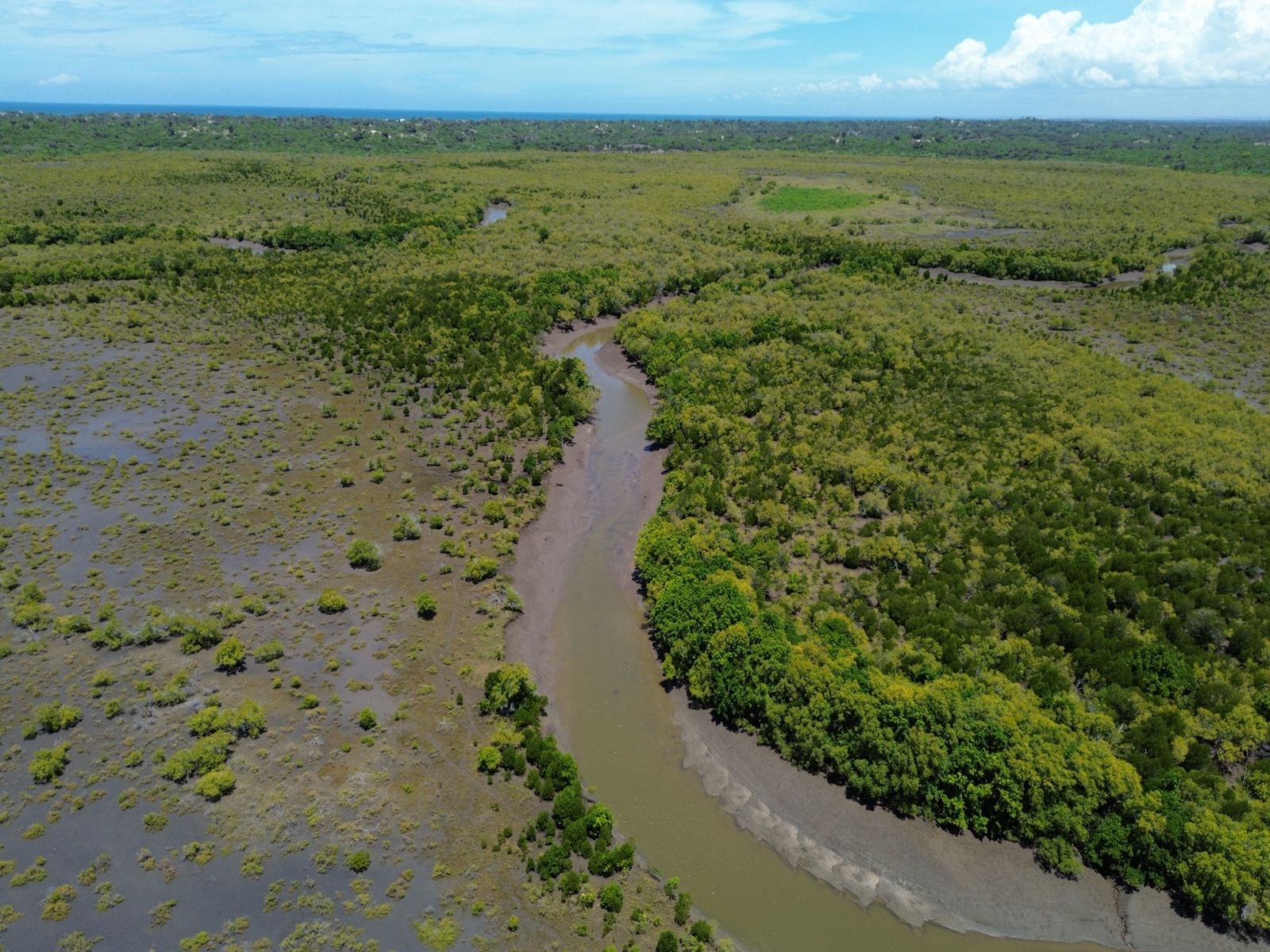
The Papariko Peninsula sits within the Lamu Archipelago, a UNESCO World Heritage site where coastal communities depend directly on mangrove ecosystems for fisheries, storm protection, and livelihoods.
Historical degradation from harvesting and coastal development has reduced ecosystem resilience. This project focuses on long-term restoration and community stewardship pathways.
Ecosystem Type
Coastal mangrove forests with multiple endemic species adapted to tidal zones
Community Role
Local stewards manage planting, monitoring, and long-term maintenance under asset manager coordination
Coastal Protection
Restored mangroves reduce storm surge impact and stabilize coastlines vulnerable to erosion
Role of the Asset Manager
The project is implemented by a verified asset manager with established relationships in the Lamu region. The asset manager is responsible for:
- Site selection and ecological assessment
- Community engagement and stewardship agreements
- Restoration execution and monitoring protocols
- Multi-year data collection and reporting
Role of Regenerativ
Regenerativ does not execute restoration work. Its role is coordination and accountability:
- Register contributions allocated to this project
- Track restoration inputs and lifecycle stages
- Issue Certificates of Regeneration based on verified milestones
- Maintain long-term records accessible to contributors
Lifecycle-Dependent Outcomes
Mangrove restoration unfolds across extended timelines. Impact reporting reflects current project stage:
Support This Project
Contributions allocated to the Papariko Peninsula project support multi-year restoration and community stewardship.
Contribute to Regeneration